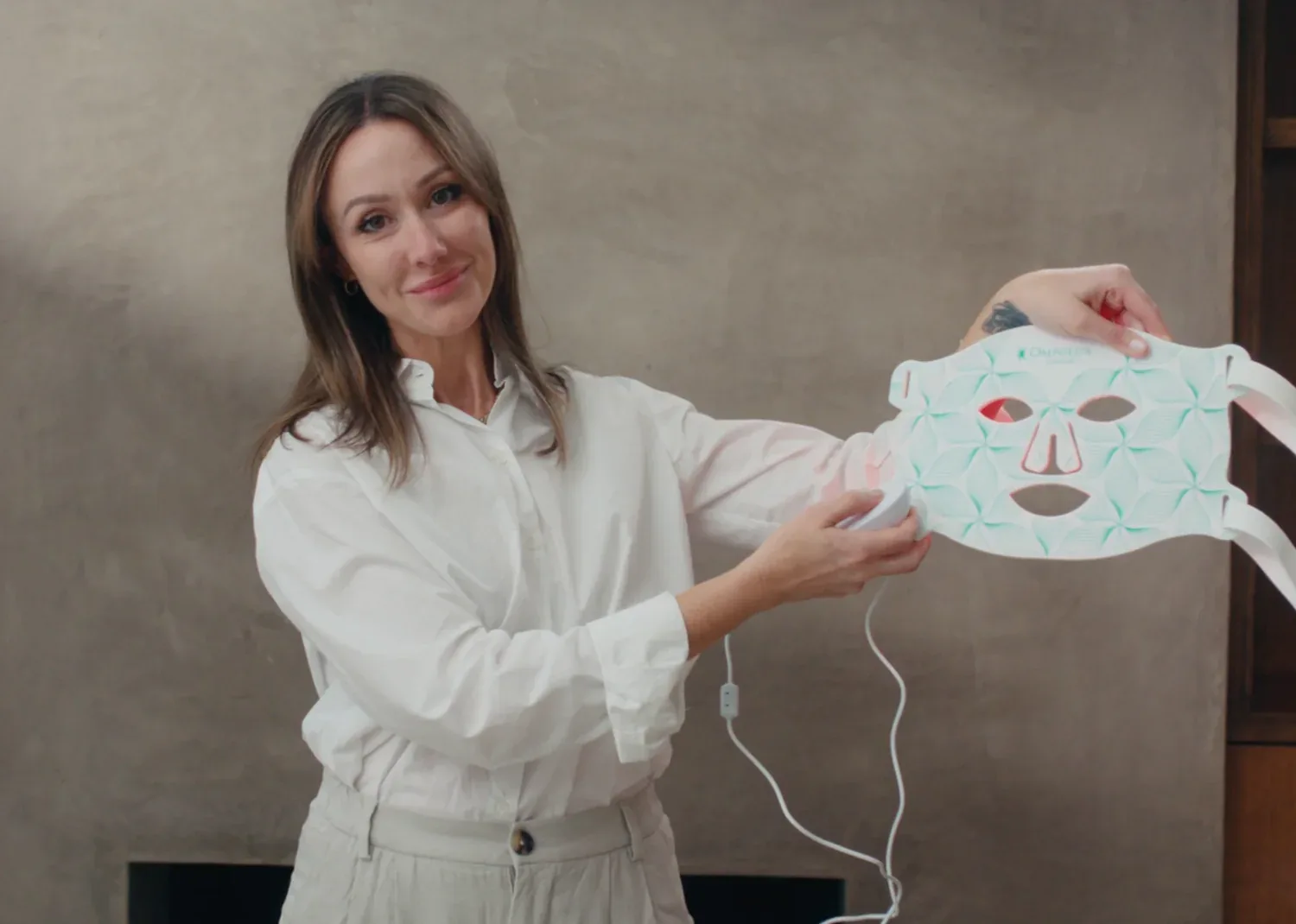
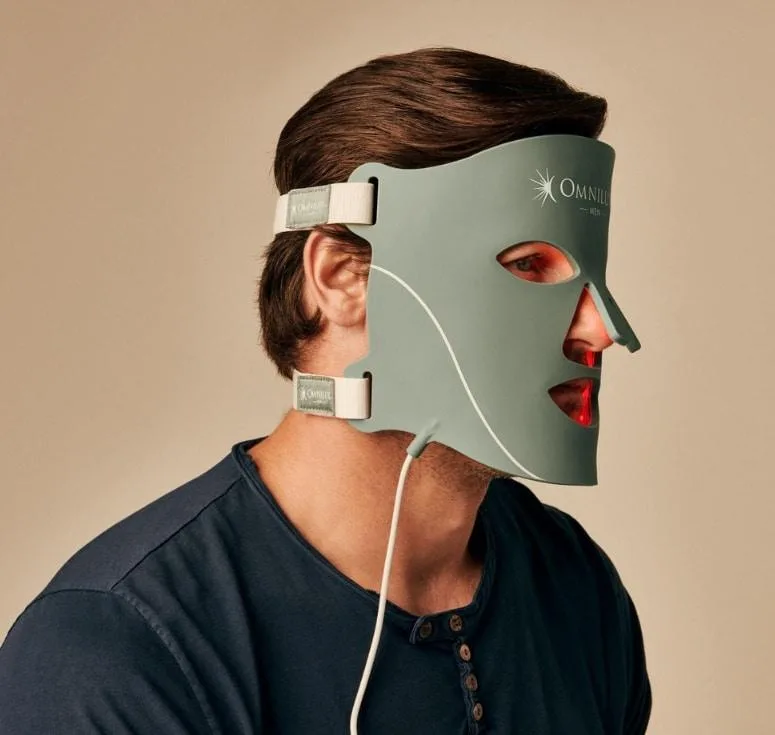



Wrote two Omnilux landing pages: a B2B pitch to clinicians, and the launch page for Omnilux Men.
Omnilux builds award-winning LED light therapy devices for both medical and aesthetic practitioners.
 The objective: turn the practices that use these devices in office into resellers of the at-home line.
8%
For men with no skincare routine, I opened on one step and the complaints they already have, razor burn first. Omnilux later ran that line nearly word for word in an ad.


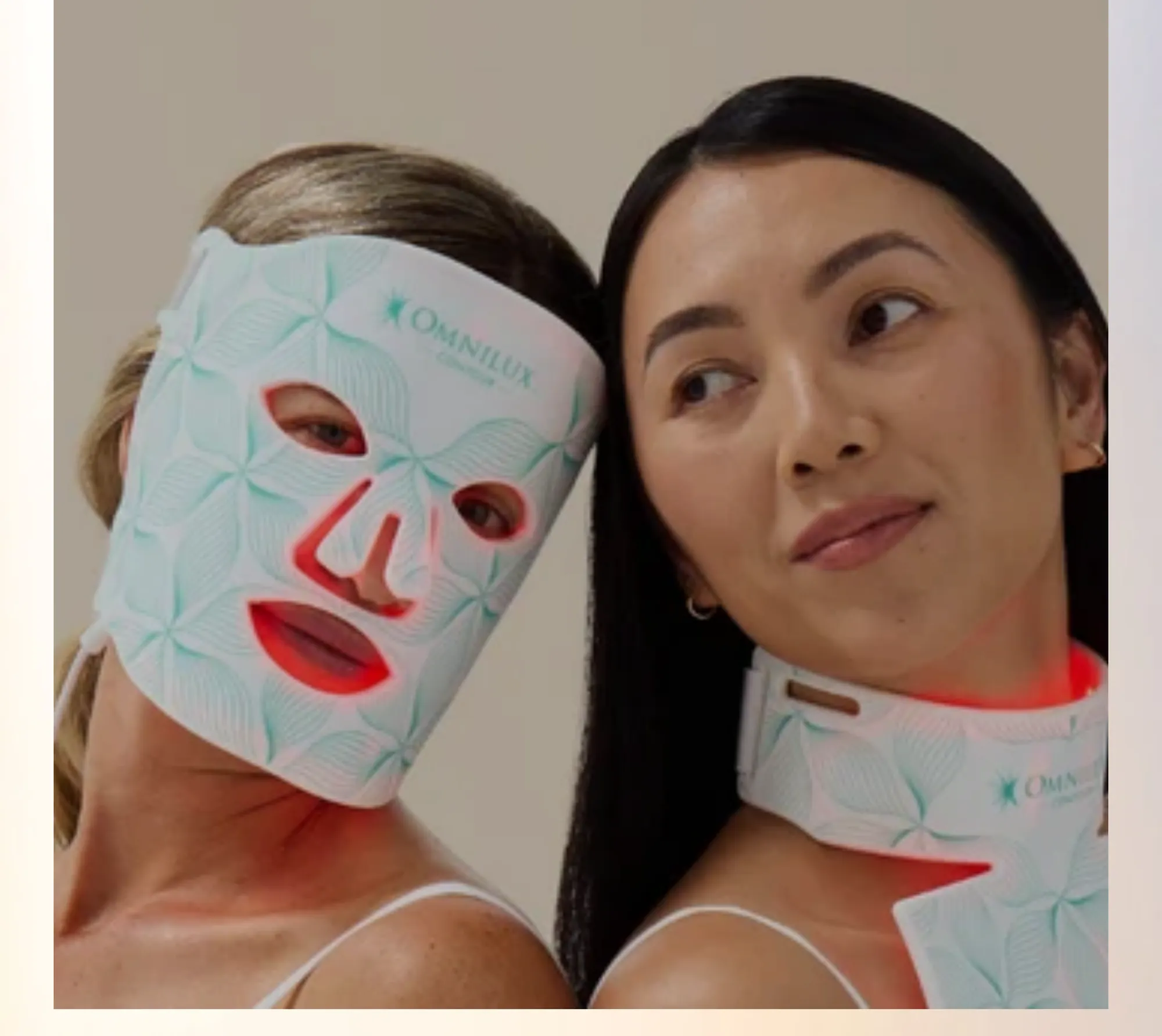


What I wrote and why.
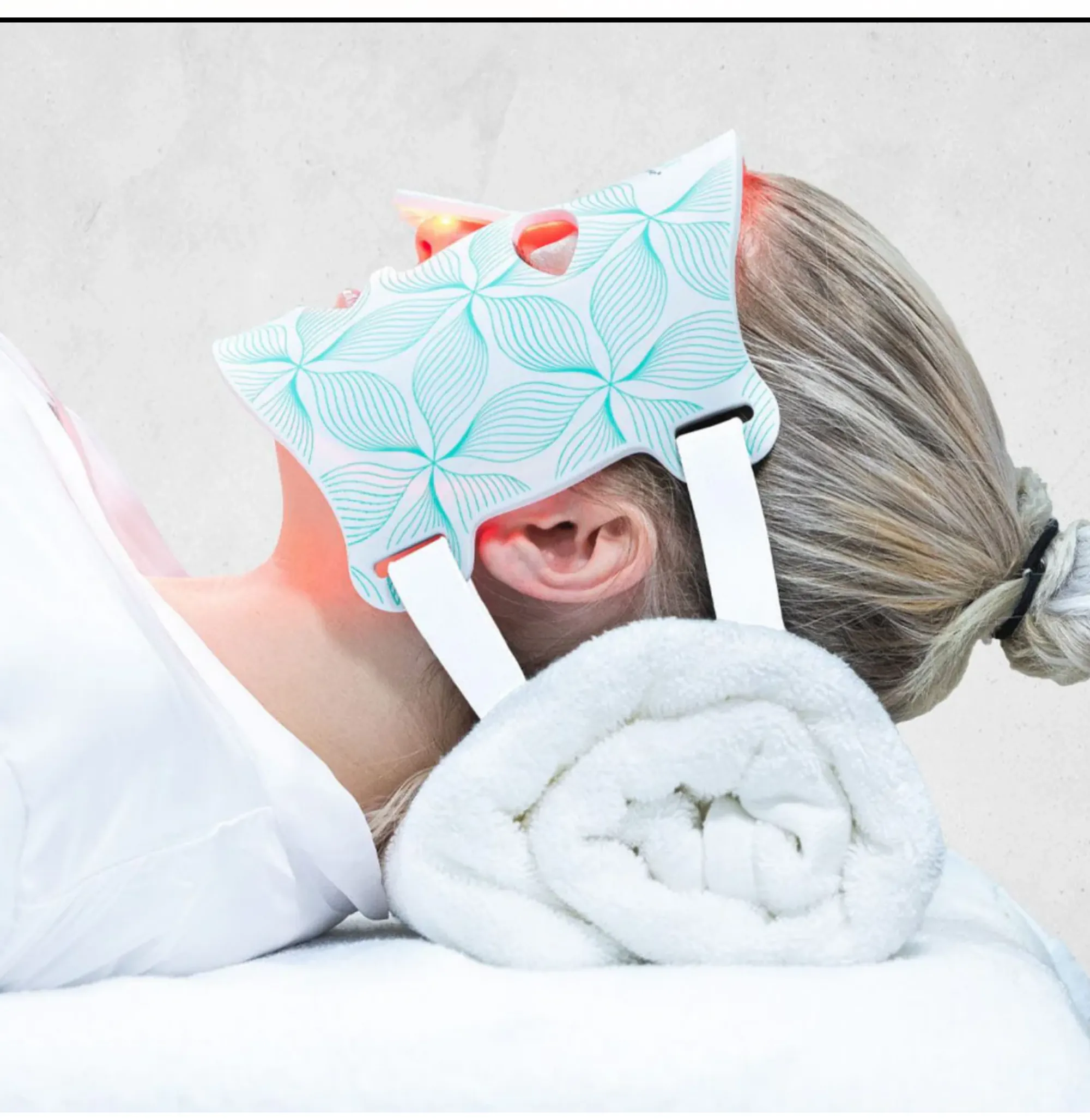
The page sells clinics a new service to offer. The device is the means.
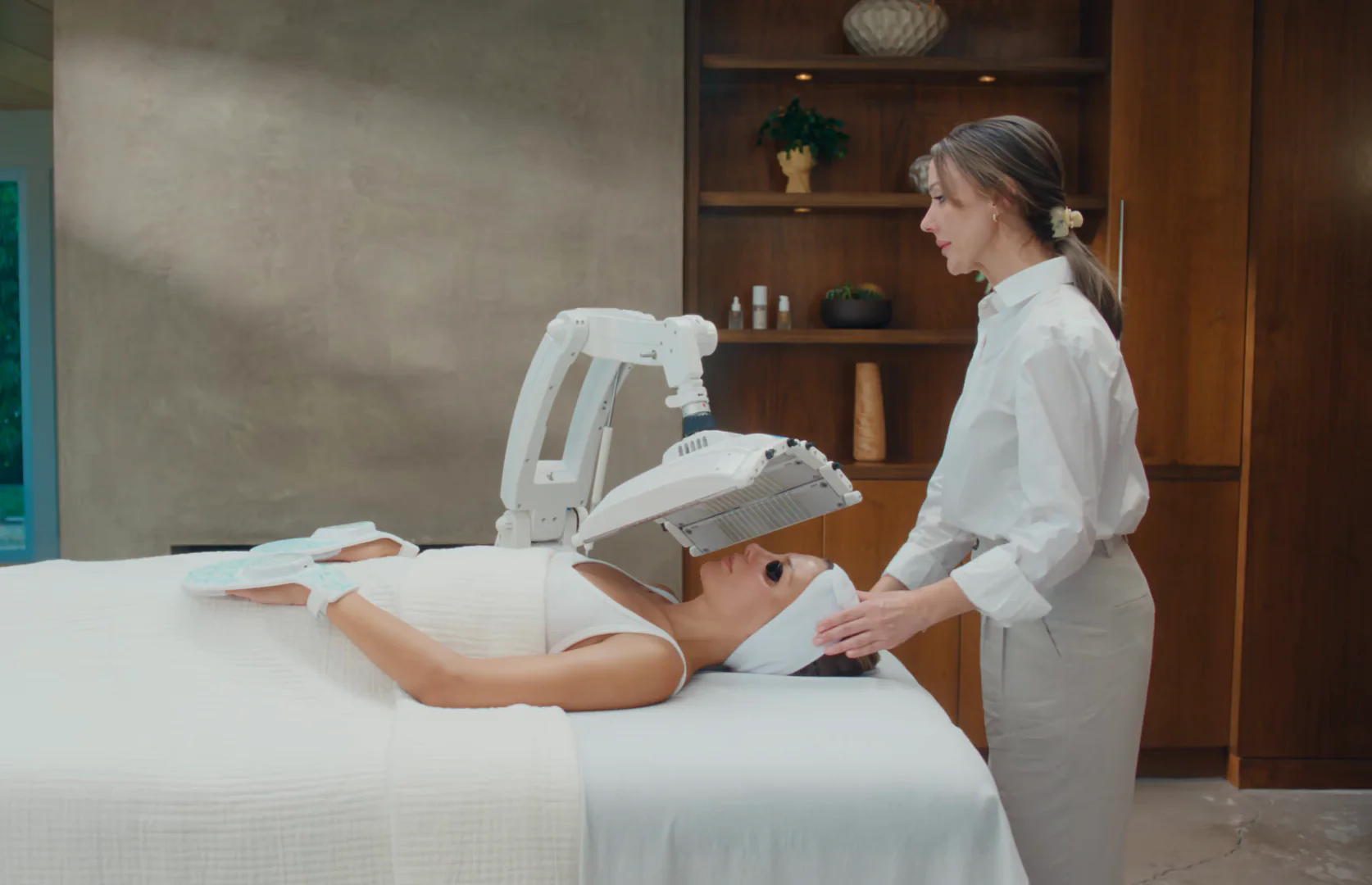
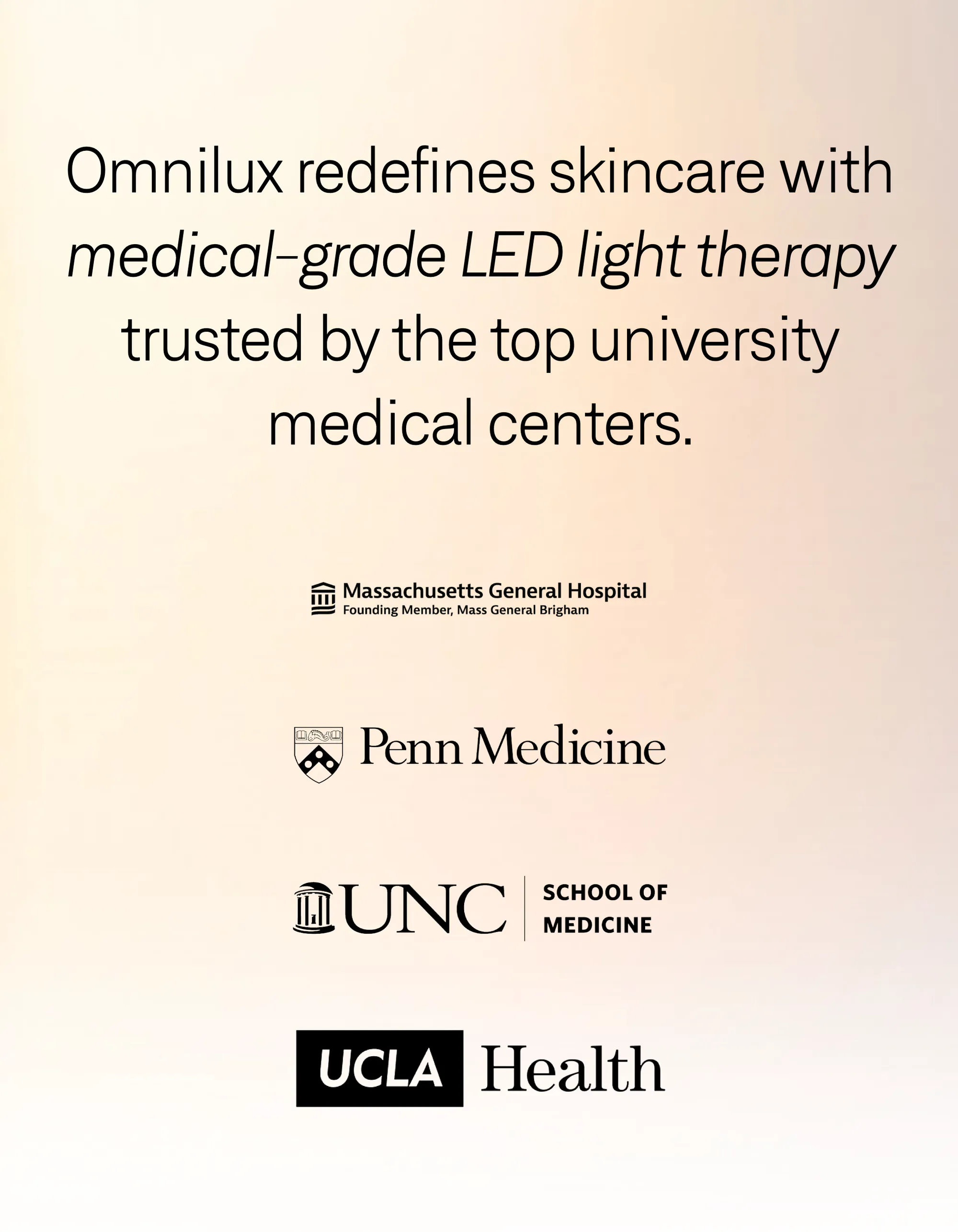
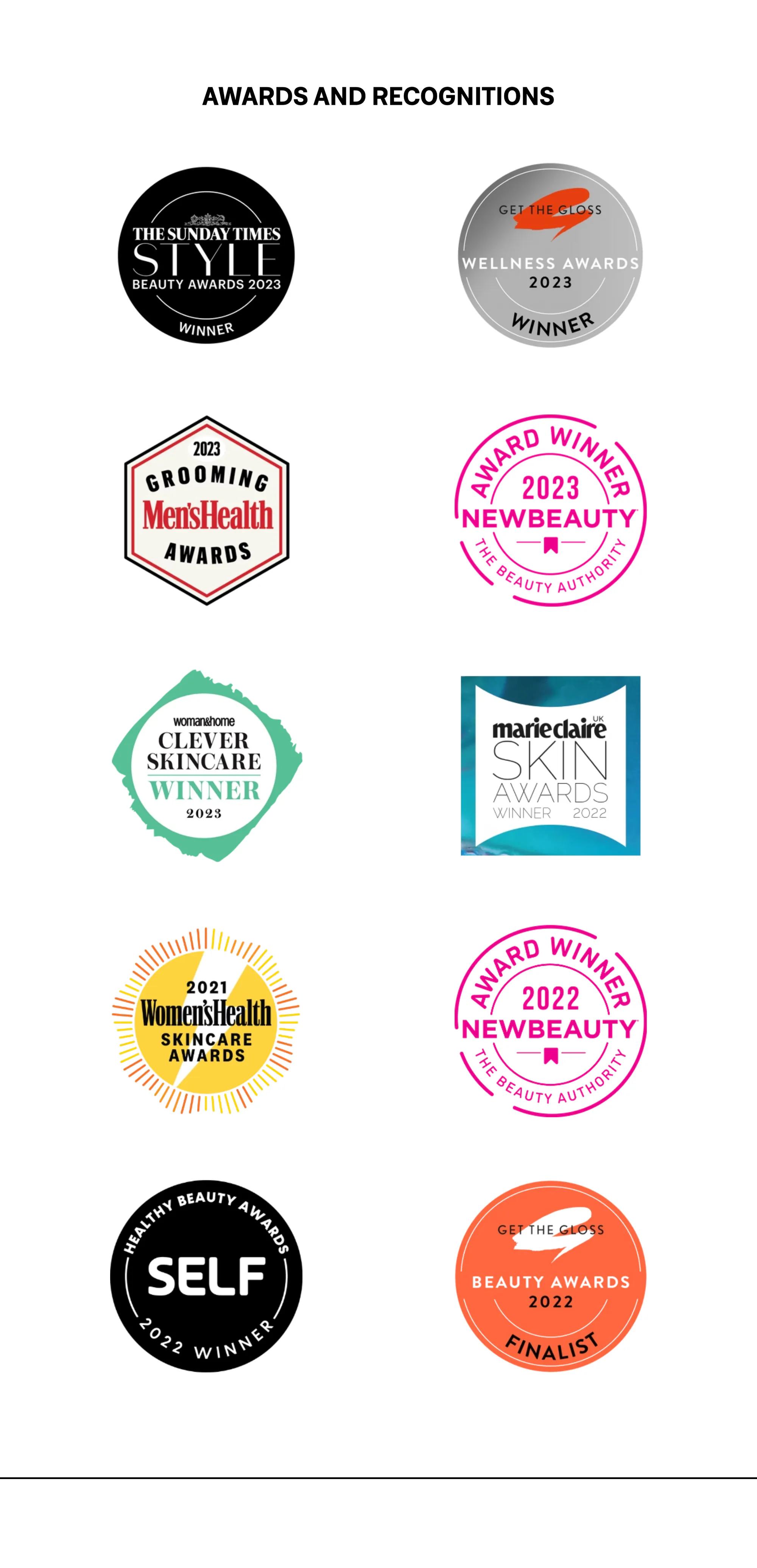
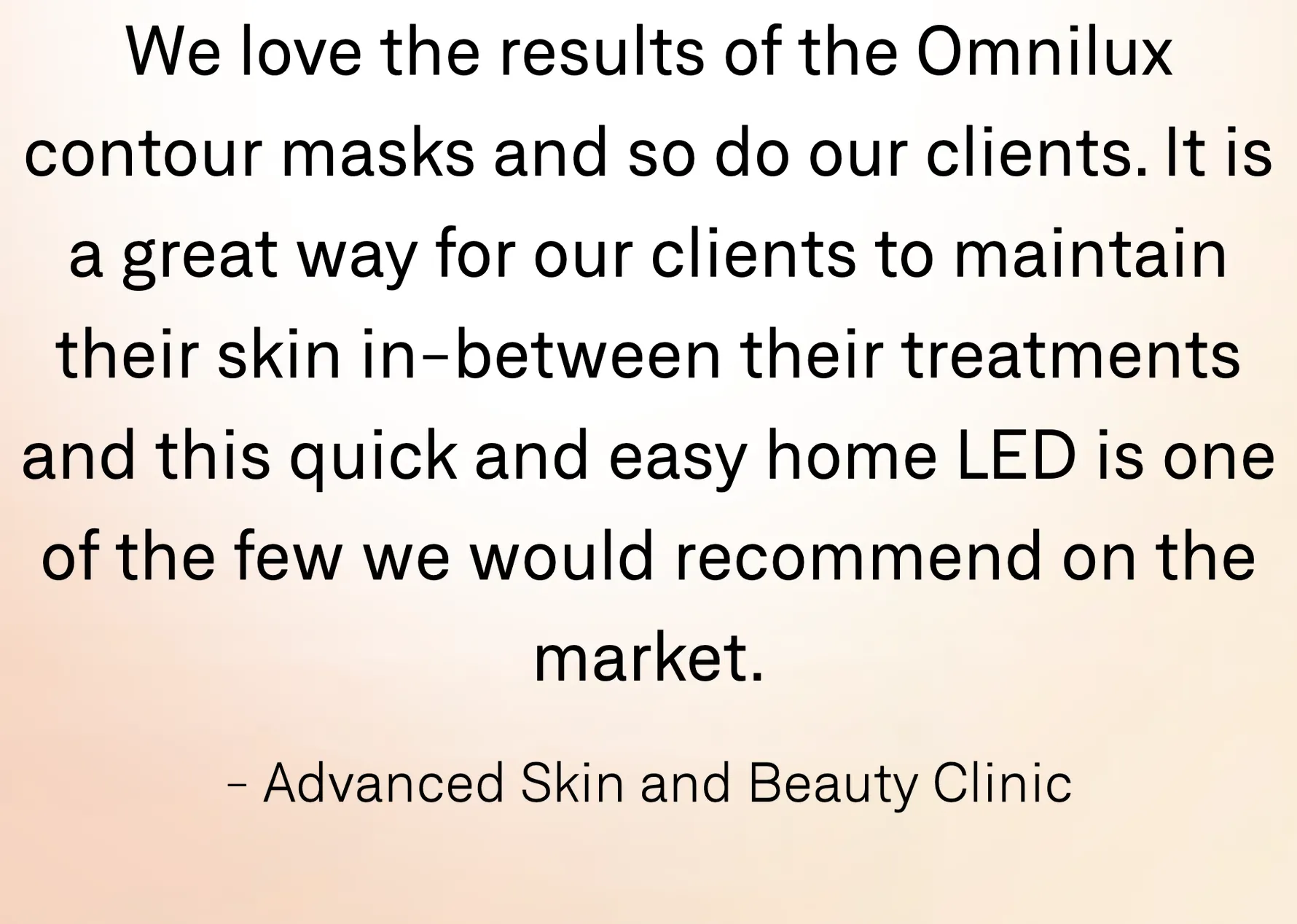
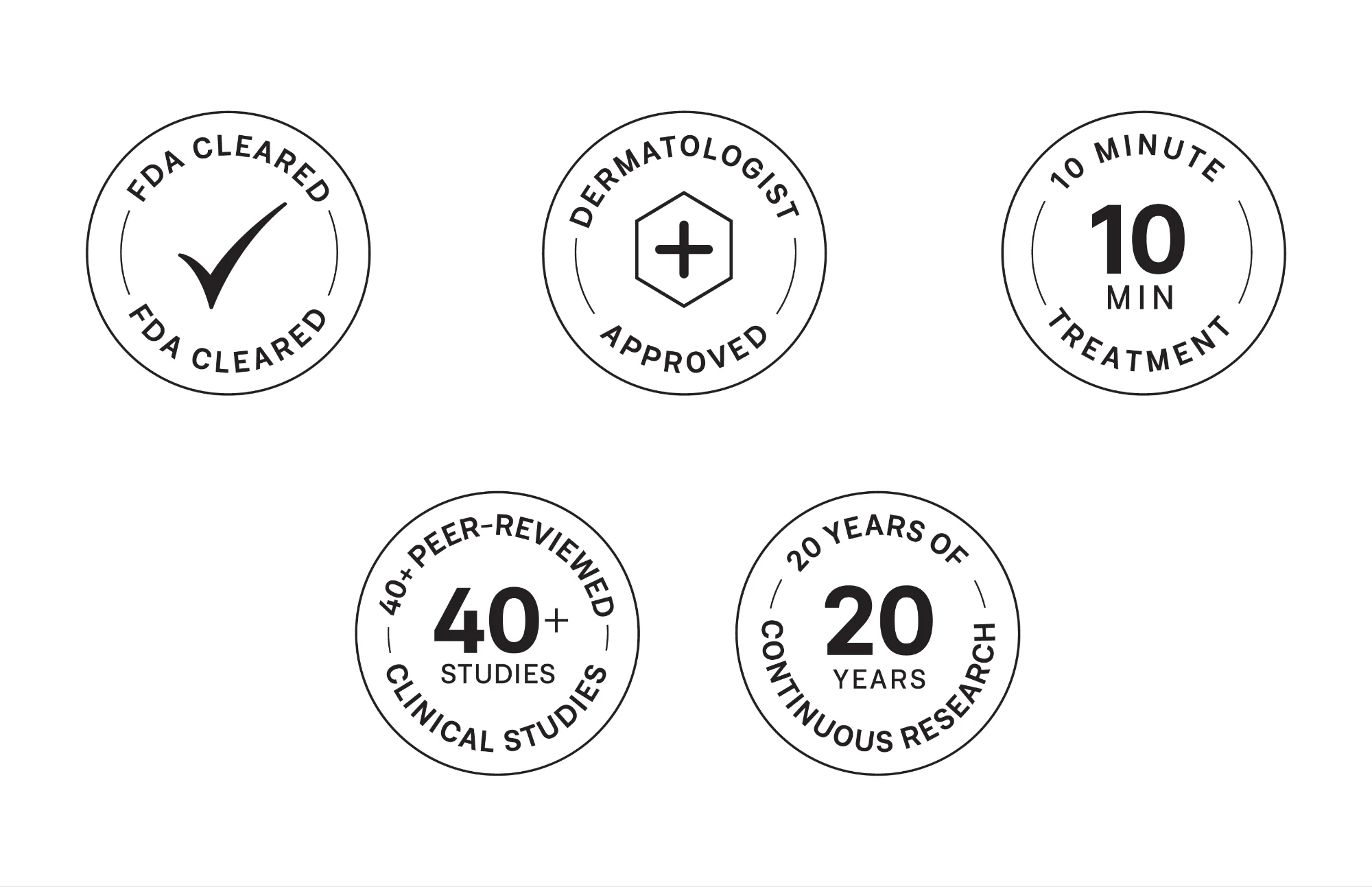
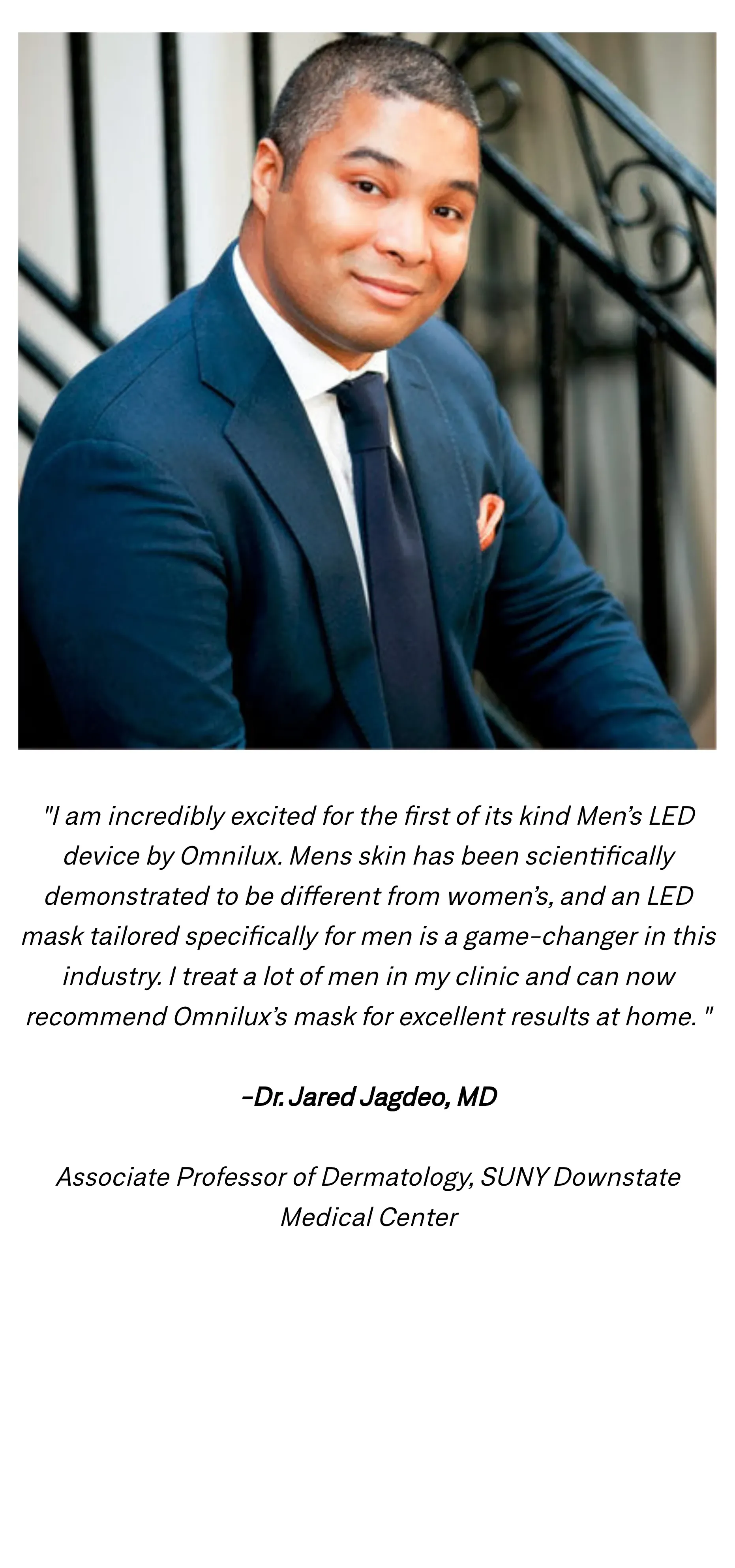
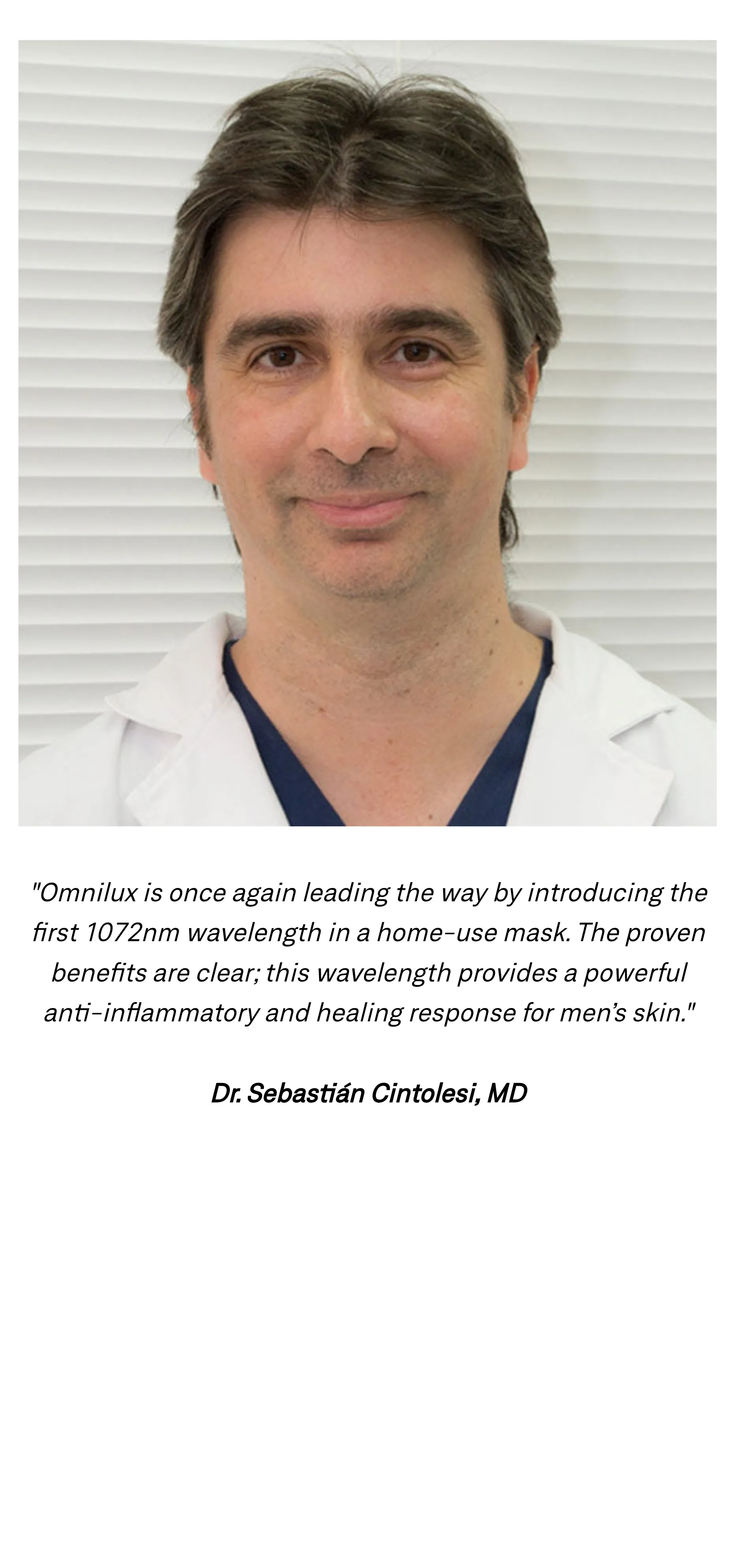
This section leans on institutional credibility: four university medical centers a clinician already trusts.
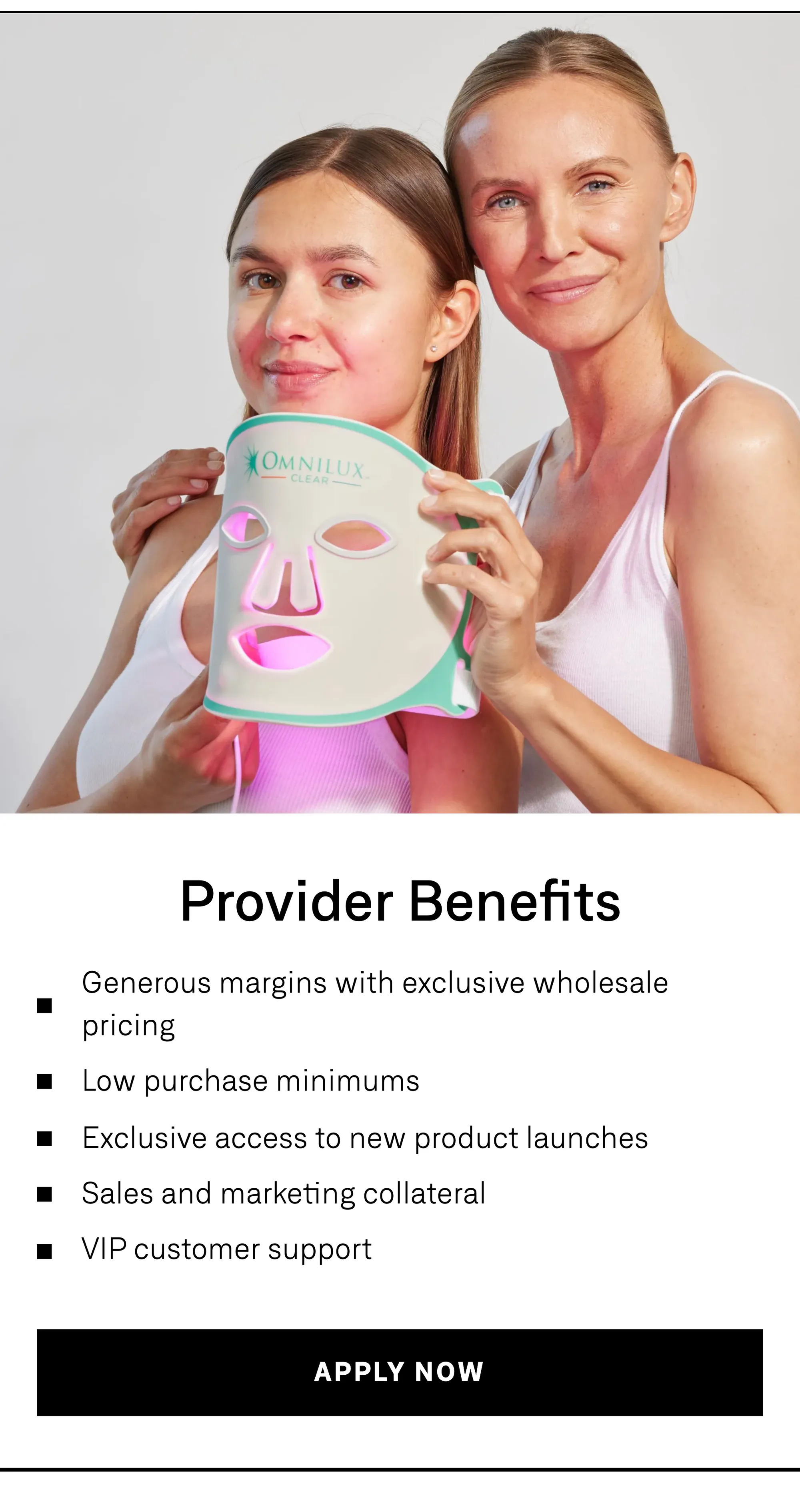
The headline sells revenue to the provider, then results to their clients. Bullets aim at the practice’s bottom line.
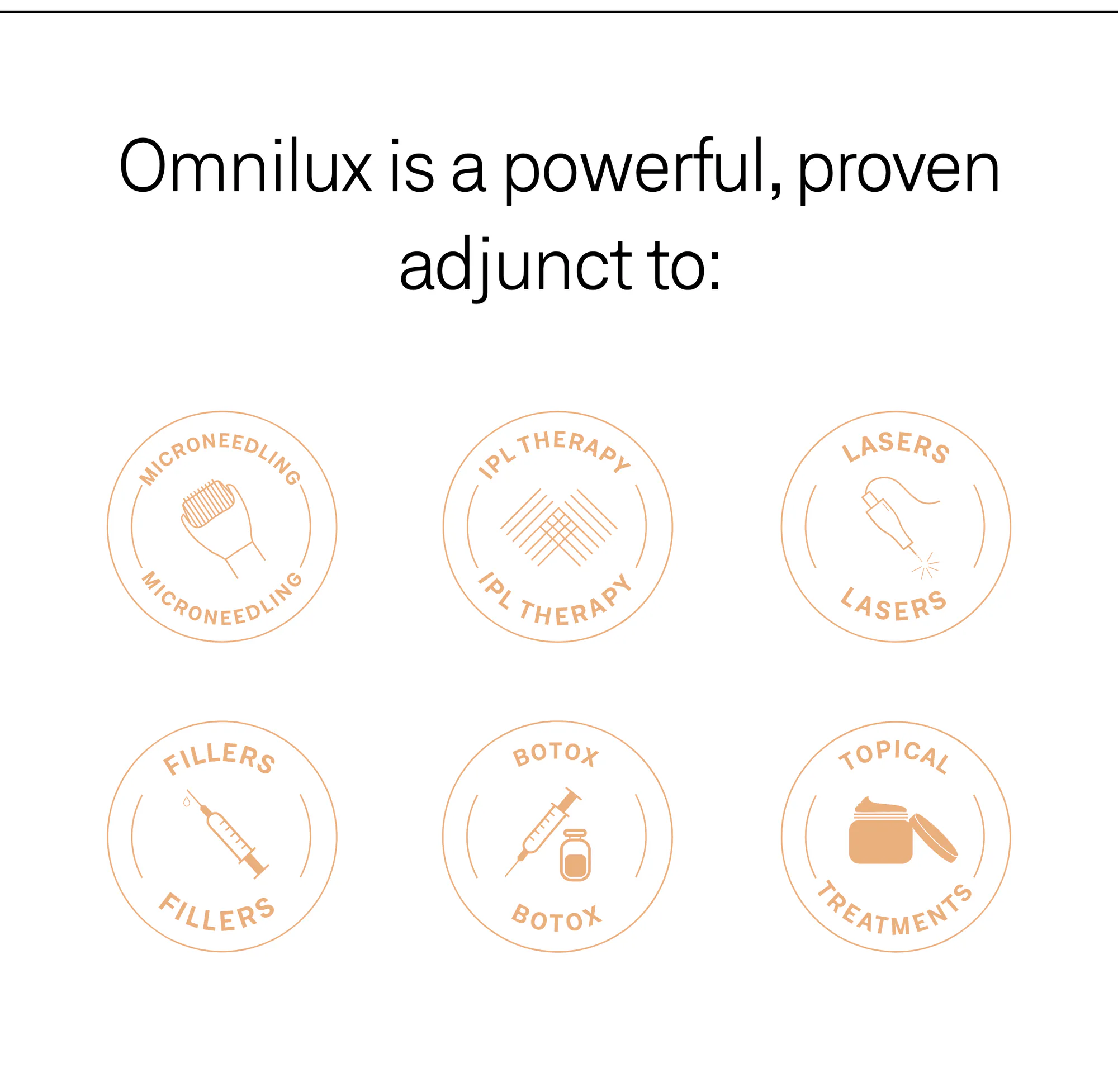
Microneedling, IPL, lasers, fillers, Botox, topicals: I named the treatments a clinic already sells and positioned the mask as an add-on to each.
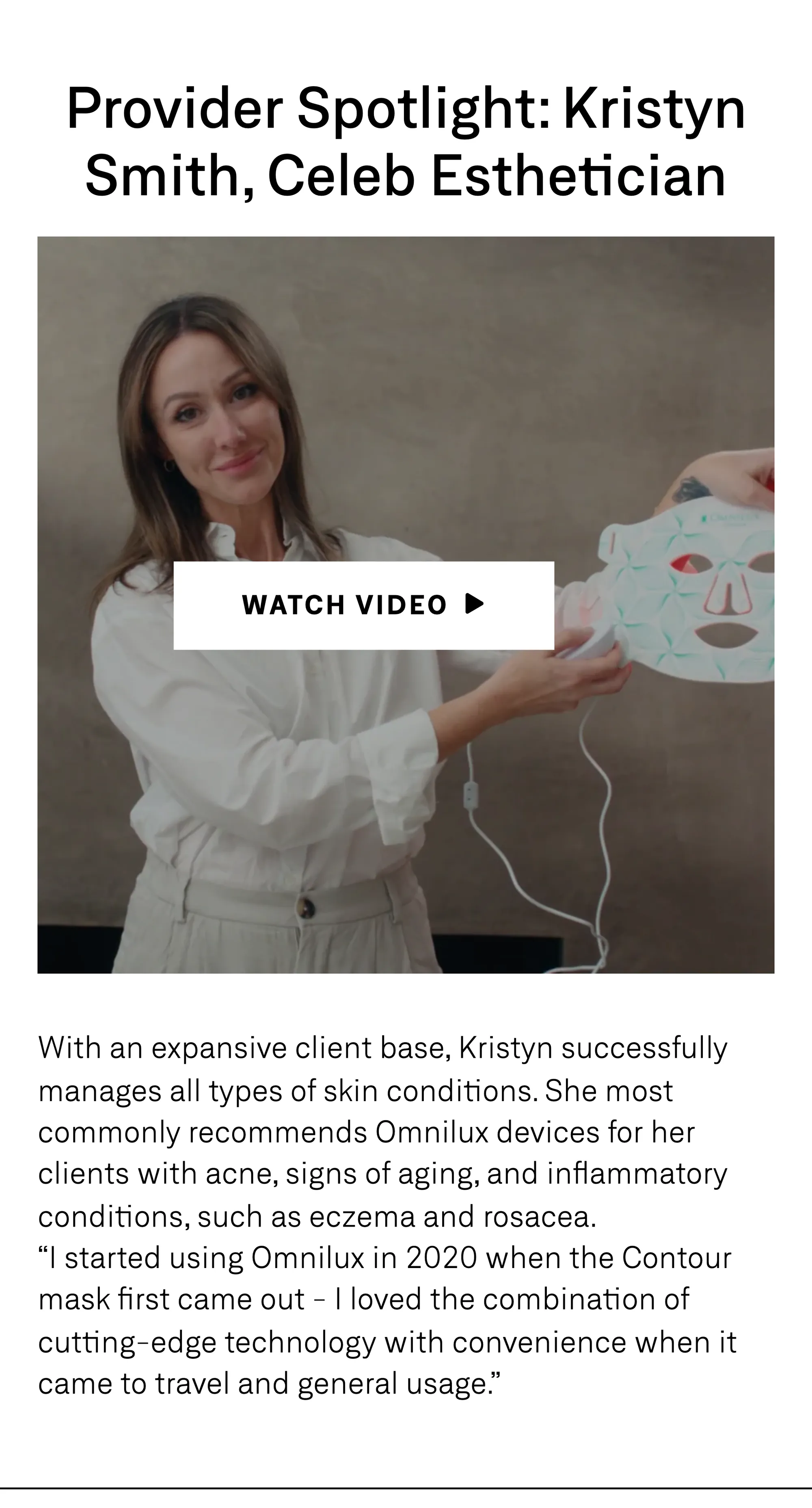
Clinics take a working esthetician’s word over a manufacturer’s, so the proof here is a peer on video.
The paragraph under it names the specific conditions she treats, so a provider can match it against their own client list.
The close is an application, not a checkout.


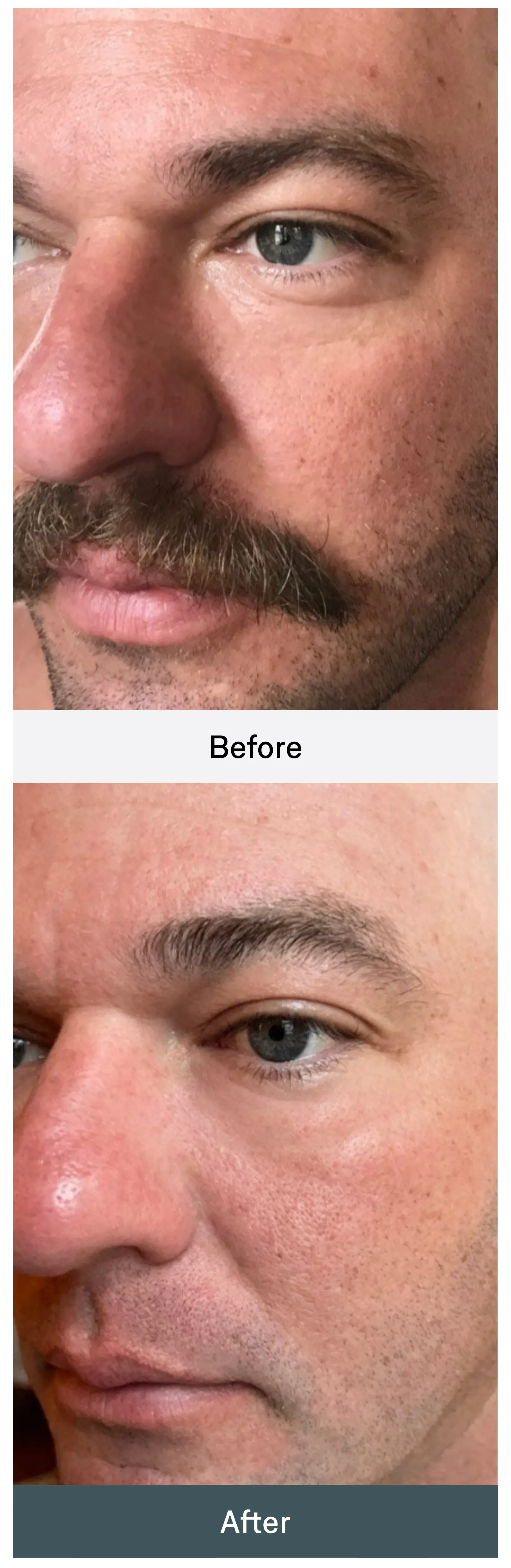
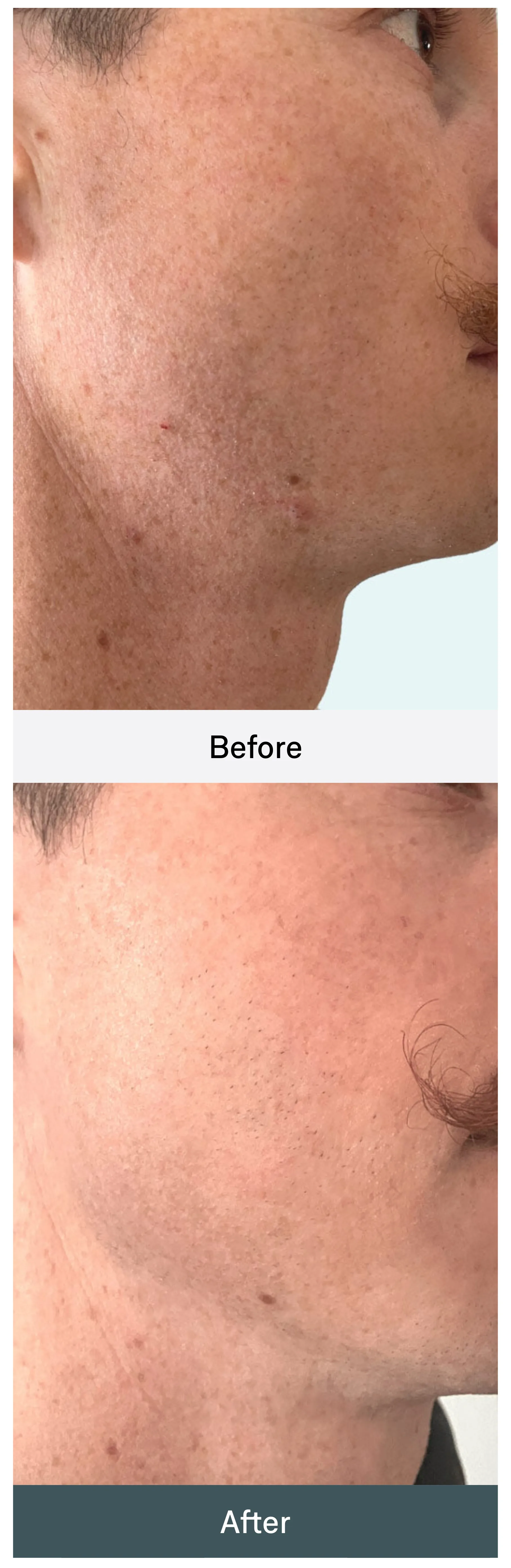
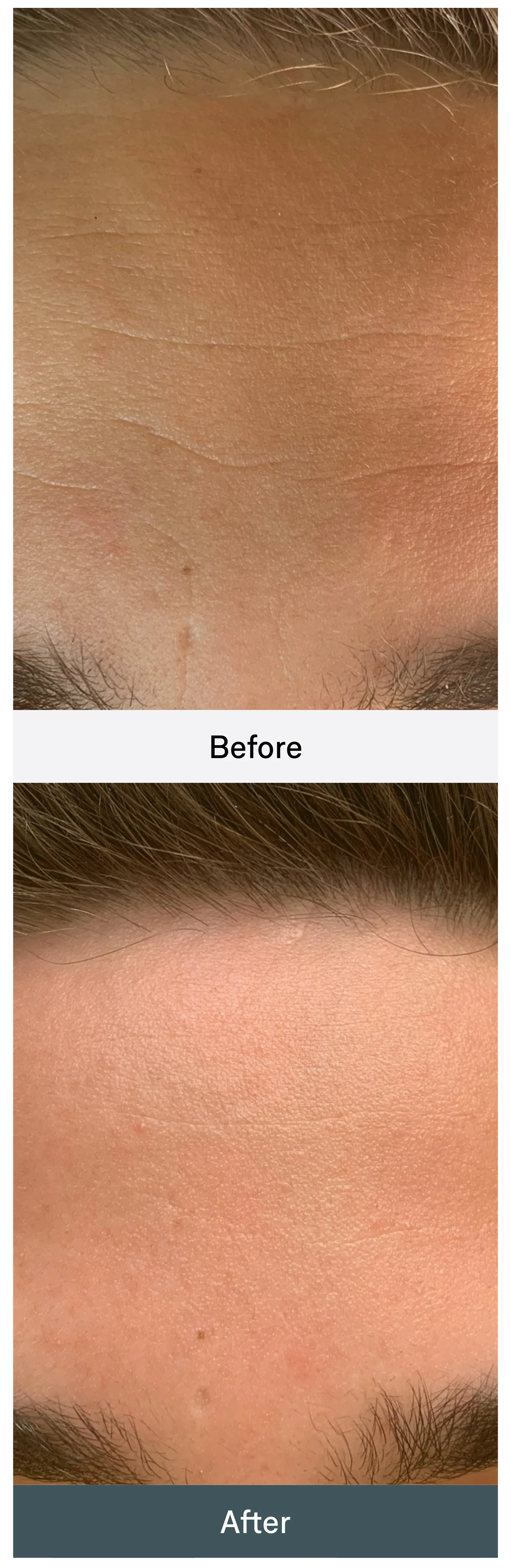
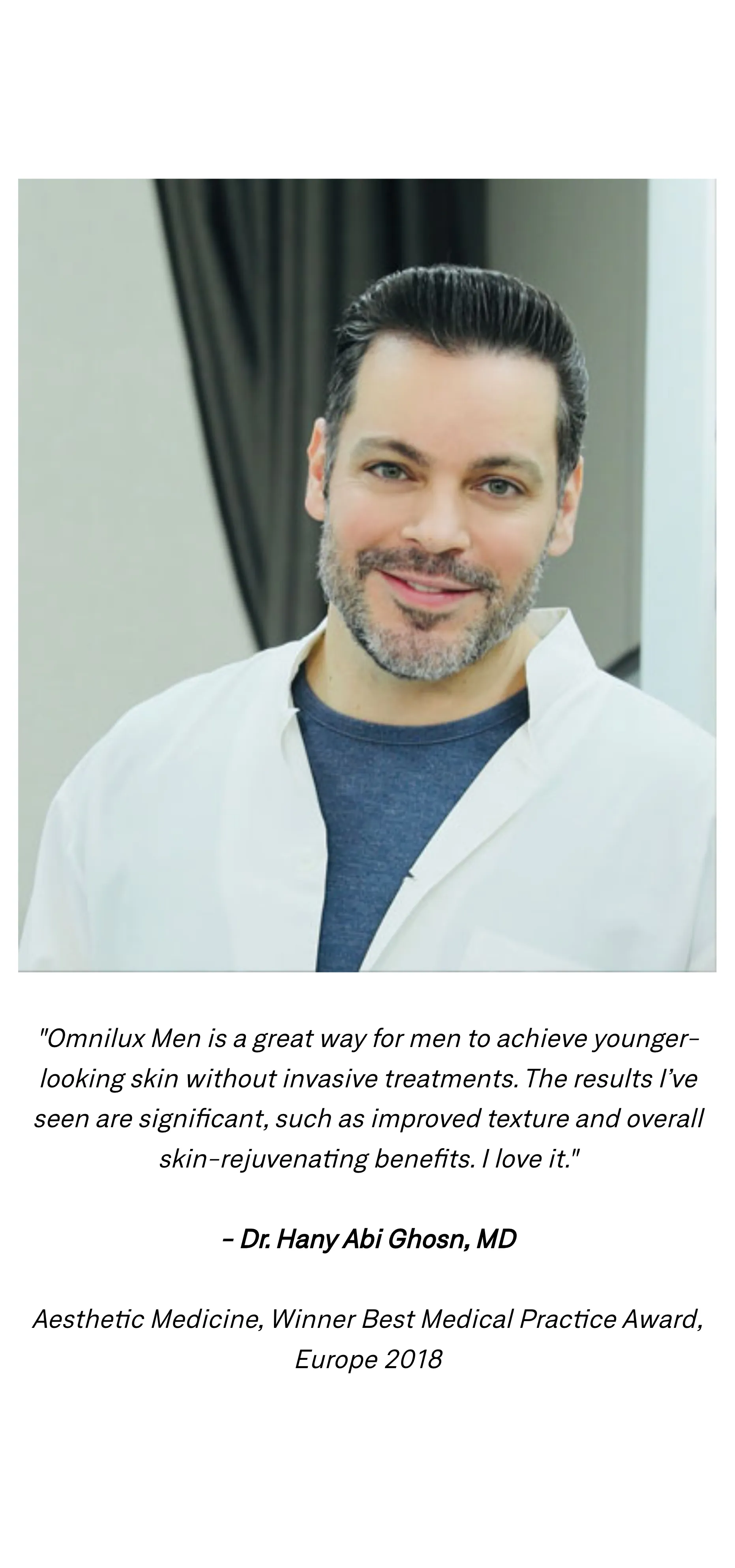
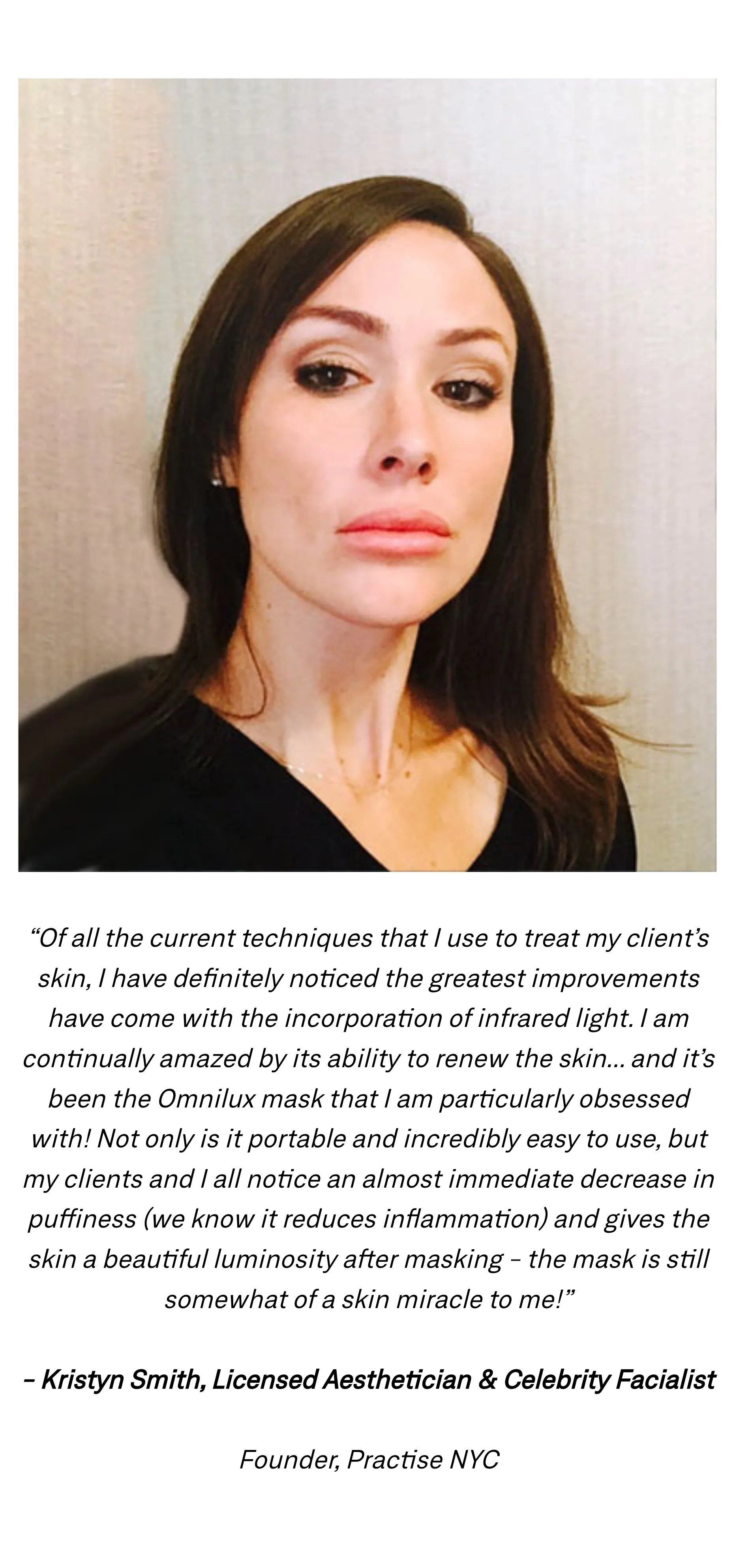
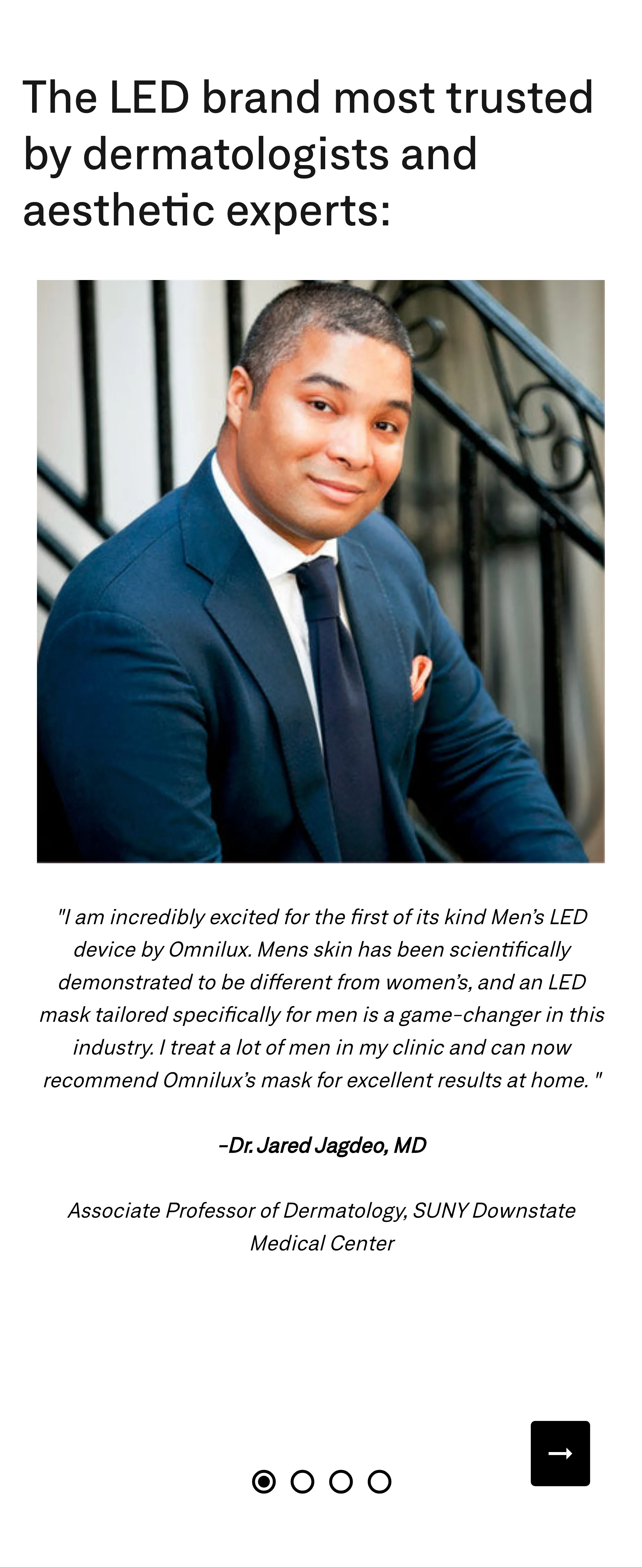


What I wrote and why.
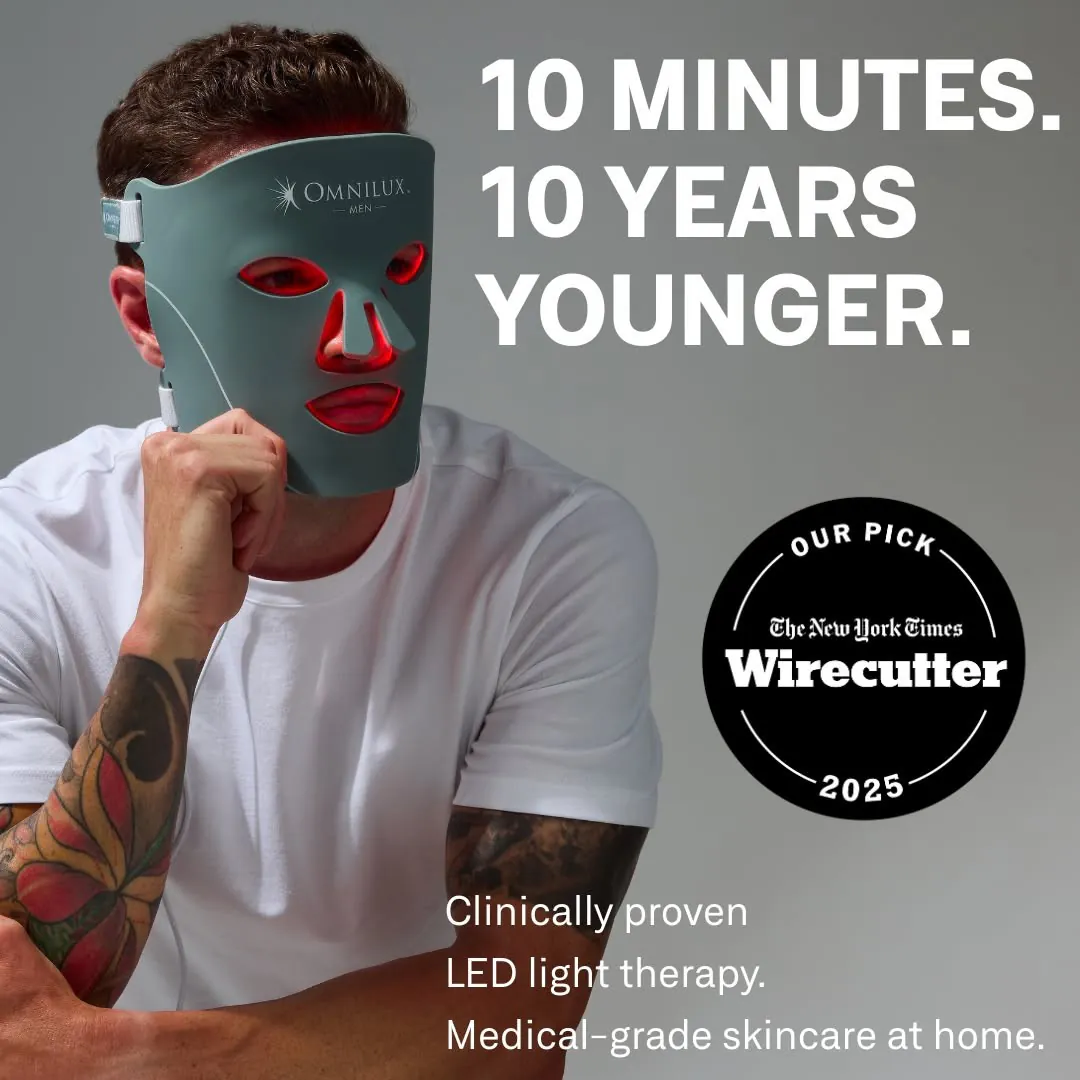
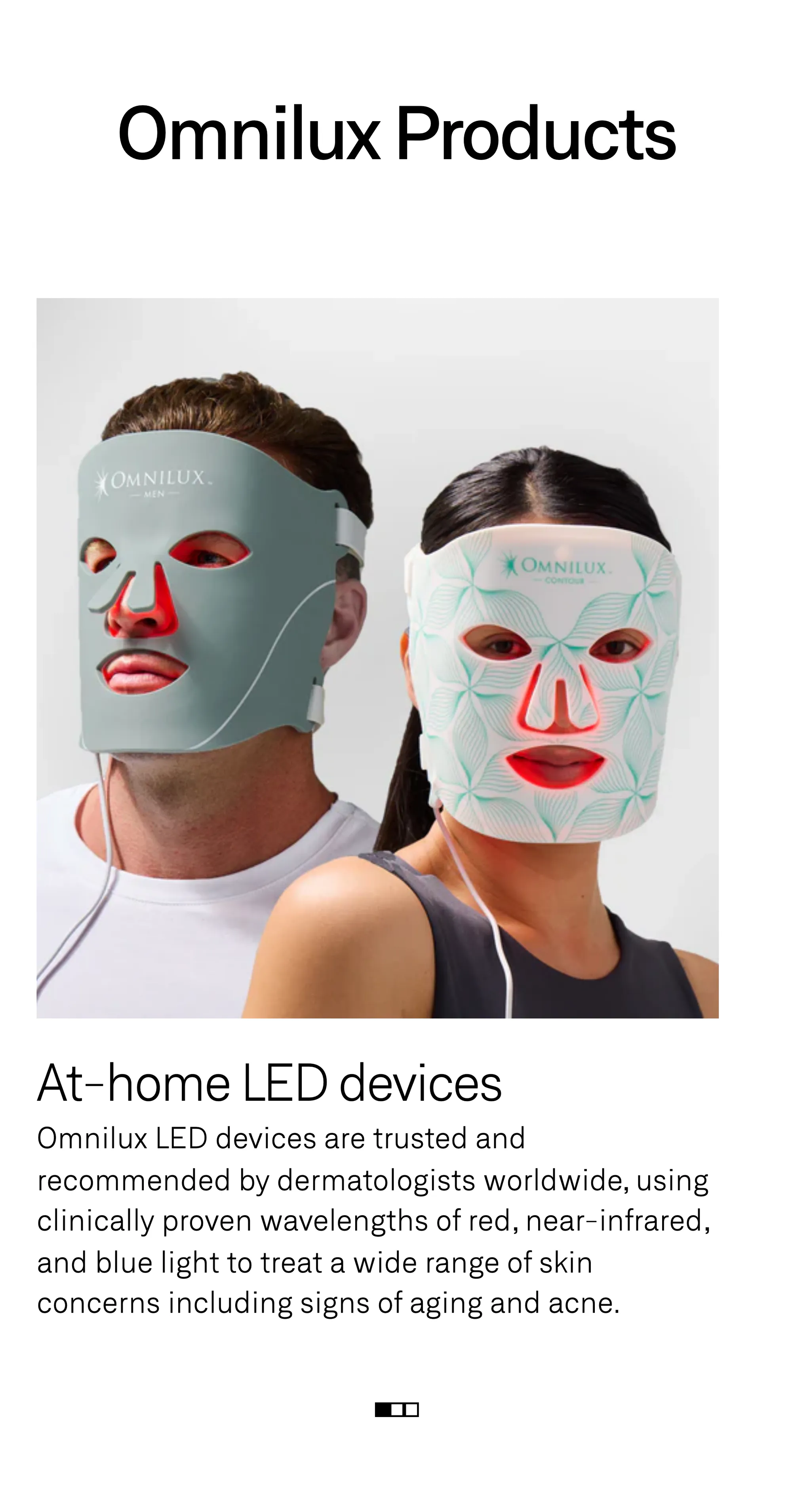
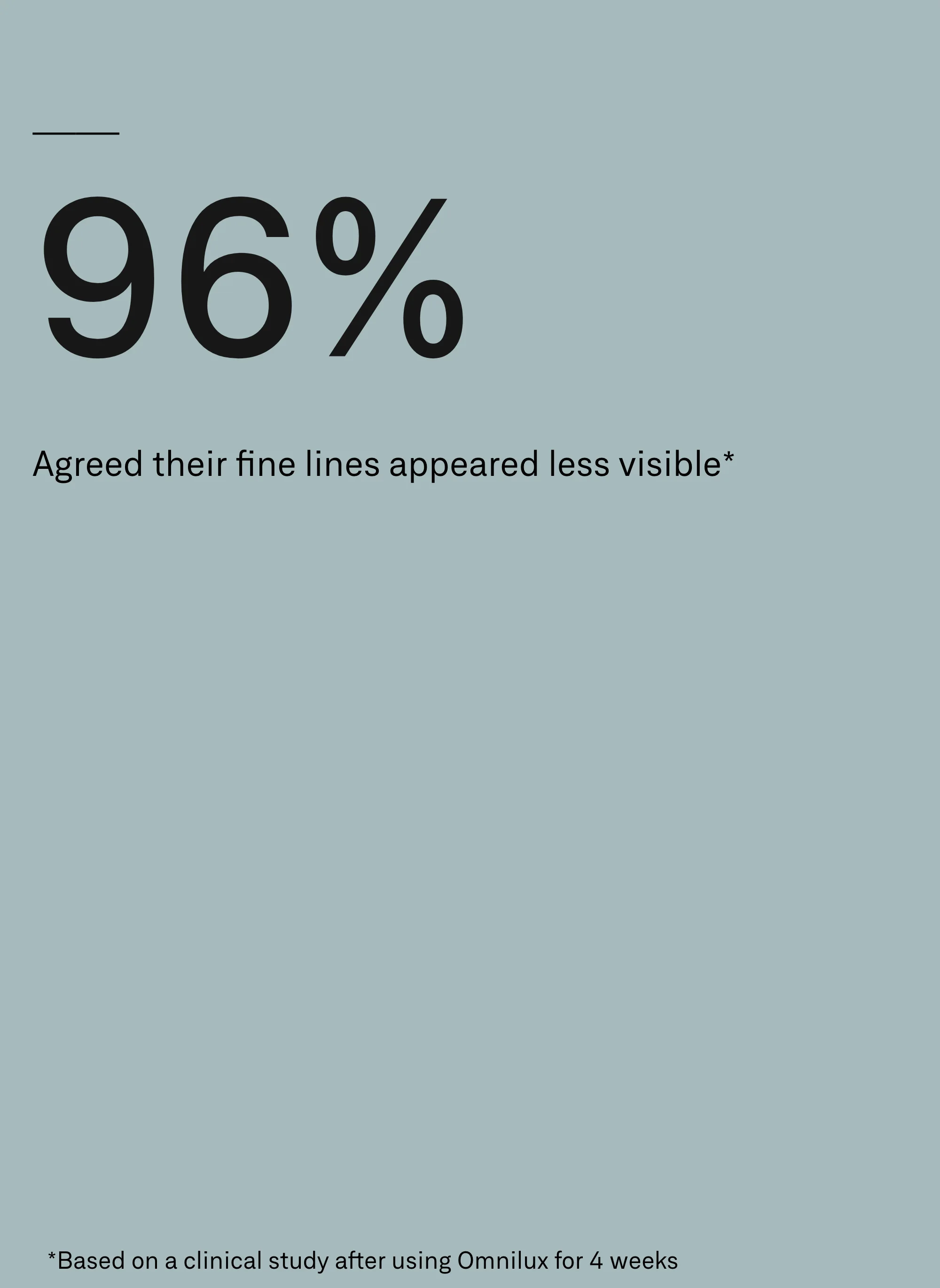
I opened on one step because these men don’t keep a skincare routine.
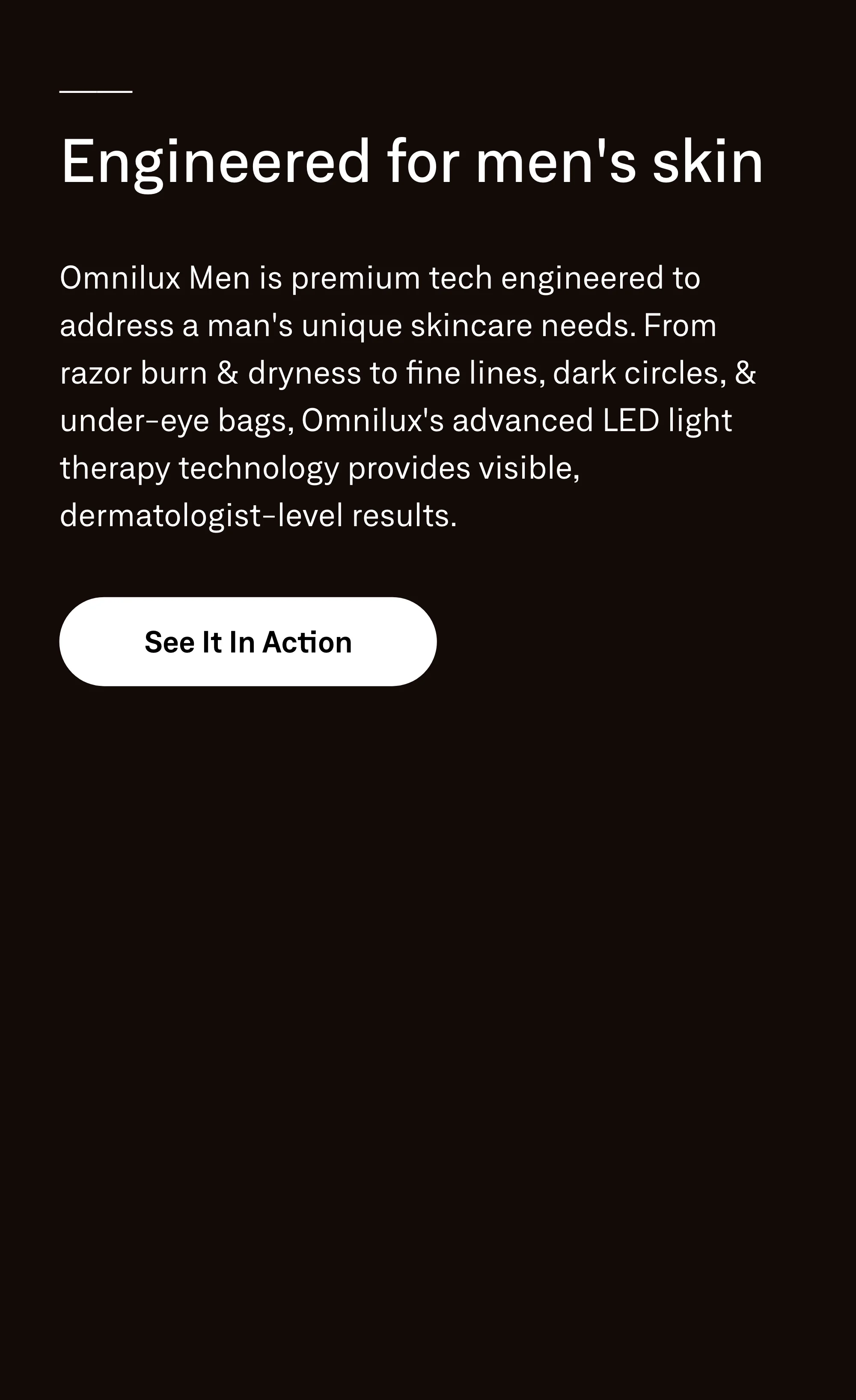
I chose “engineered” because it makes a skincare mask read as serious, practical technology.
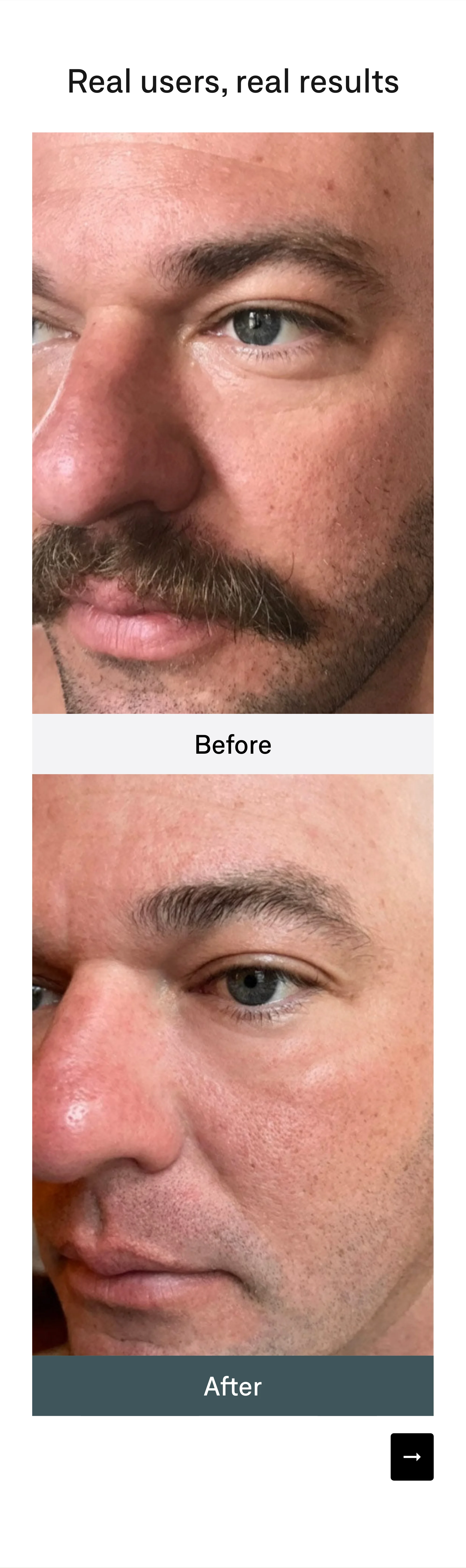
This paragraph lists the complaints men already have, starting with the one their razor causes.
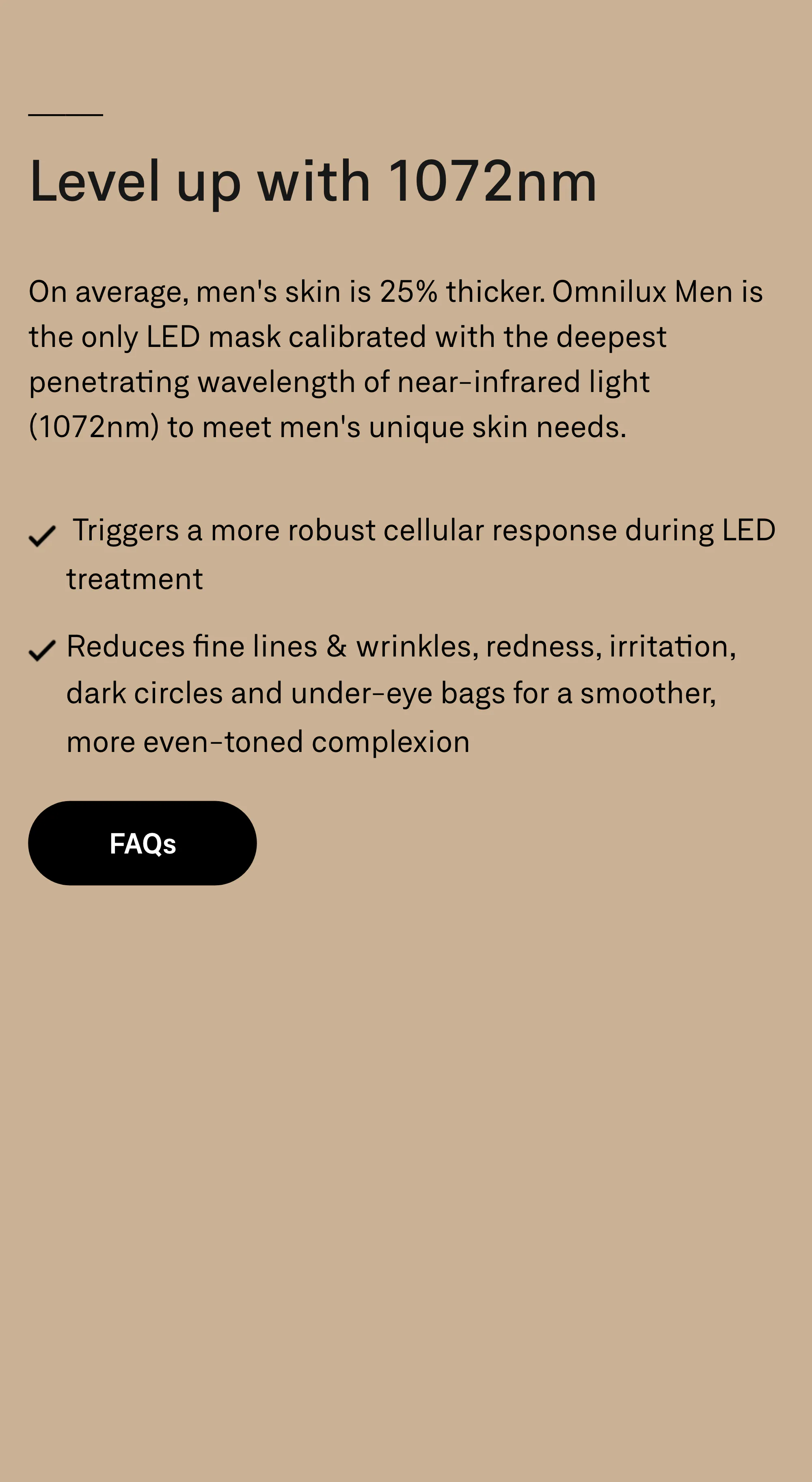
“Thicker skin” gives a man a reason this mask is his, and the wavelength spec ties it to the hardware.
The close answers time, the objection most likely to stop a first-time buyer: results in 10 minutes.
Paid social
Omnilux kept lifting my lines into its ads through October 2025.

691 likes
omniluxled The most effective LED treatment for men. Perfectly activates cellular structures in thicker skin. Reduces fine lines, wrinkles, redness, irritation, dark circles, & under-eye bags. Promotes a smoother, more even-toned complexion. Get professional quality results in just 10 min. Shop Now.
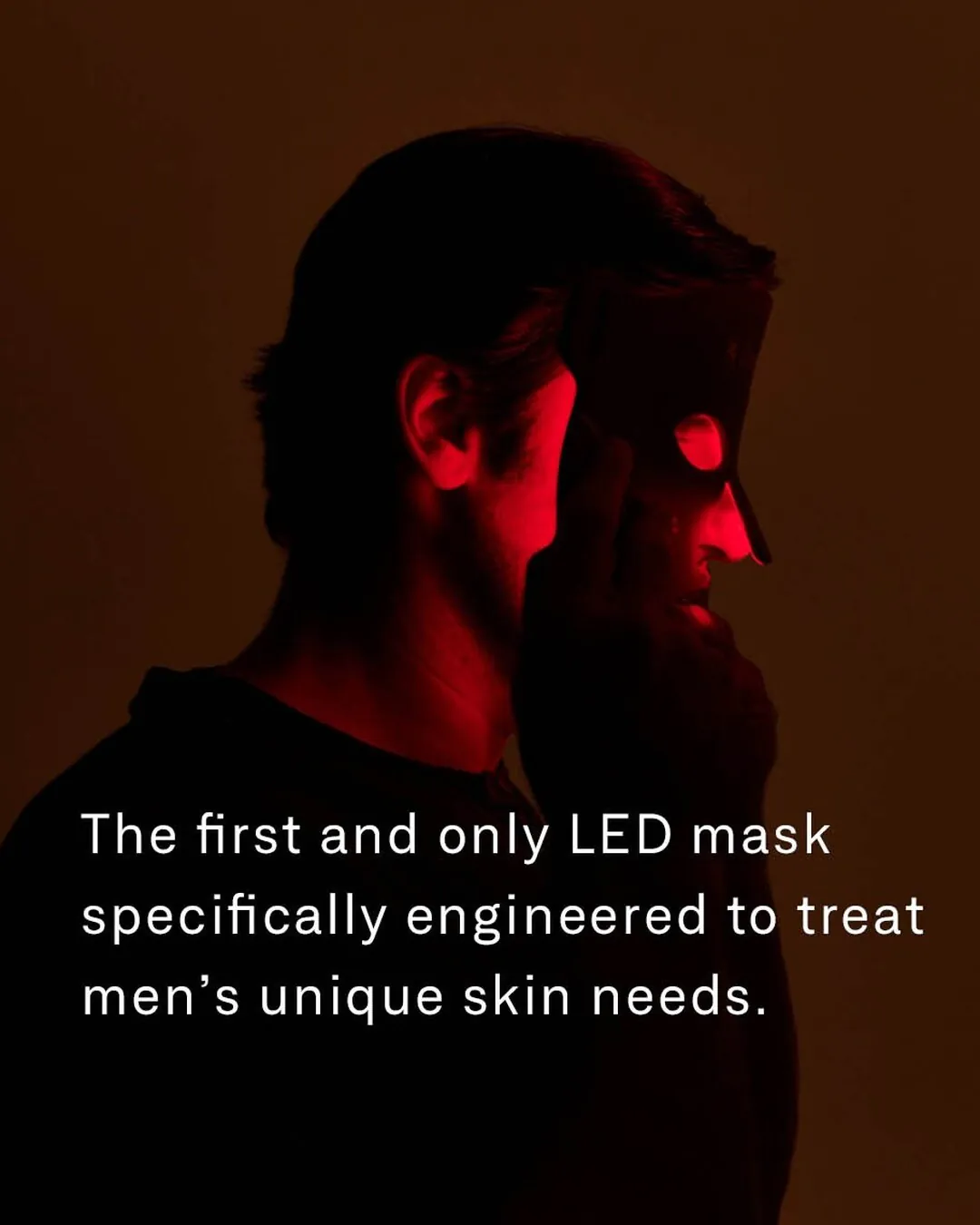
Omnilux Men has just been awarded the 2023 Men’s Health Award for “Best Face Tool” and we couldn’t be more proud.🥇
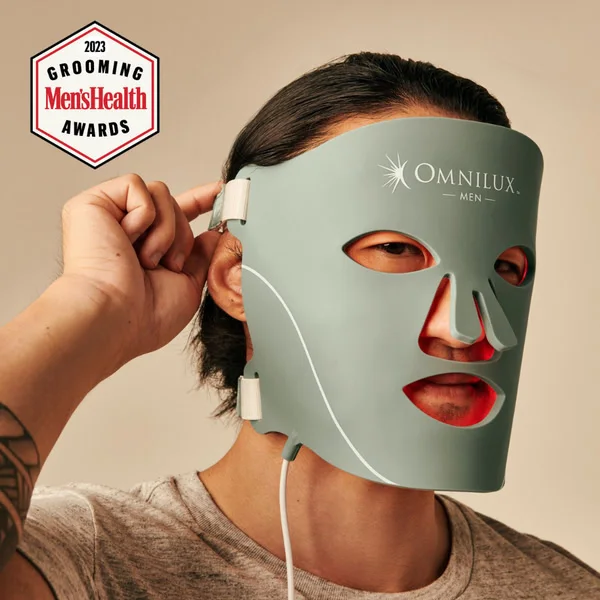
107 likes
omniluxled From razor burn & dryness to fine lines, dark circles, & under-eye bags, Omnilux’s advanced LED light therapy technology provides visible, dermatologist-level results proven for men.